
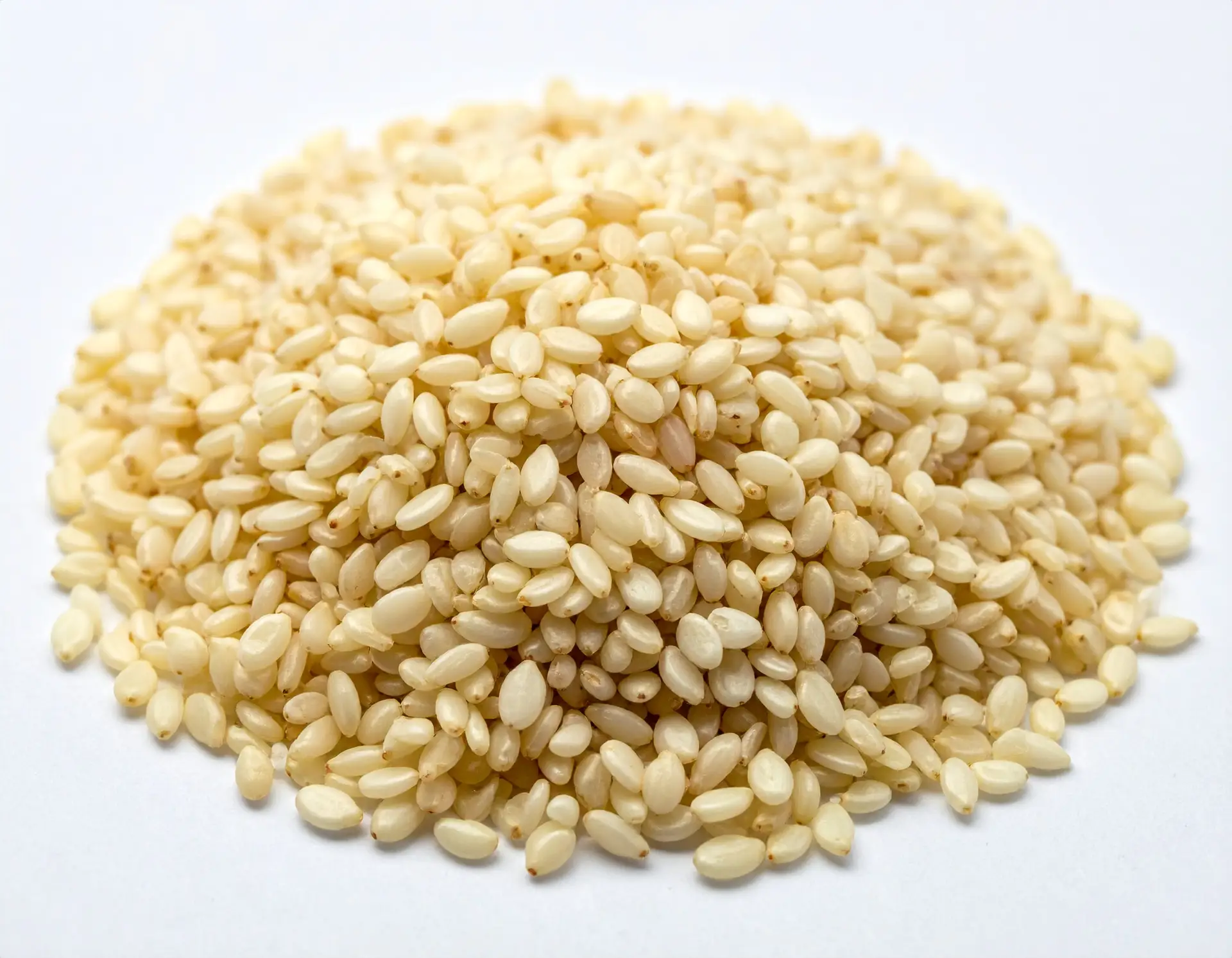
An increase in sesame seed (Sesamum indicum) allergy in children and adults has been reported in recent years. A study investigating 4,078 Australian children found the sensitisation rate to sesame seed to be one third that of the peanut sensitisation rate and higher than that of any tree nut. Similar results were found in a study from Israel. Another study in Israel found sesame to be a major cause of food allergy, second only to cow’s milk as a cause of anaphylaxis. A case of anaphylaxis has been reported after ingestion of meat and vegetables cooked in sesame seed oil.
The ELISA SYSTEMS Sesame Seed Residue assay is an enzyme-linked immunosorbent assay (ELISA) that may be used to screen food products for the presence of sesame seed material caused by cross contamination with sesame seed products and residues. This assay is a rapid and reliable test that significantly reduces the time required to screen food products for the presence of sesame seed residues.
An ELISA SYSTEMS-sponsored survey of commercial cooked and processed sesame products identified the presence of heat-stable 2S-albumin proteins, previously reported as major sesame seed allergens by Beyer and Pastorello.
Consequently, because of its allergenic and heat-stable properties, a 2S-albumin sesame seed protein was chosen as the sesame seed protein indicator for the ELISA SYSTEMS Sesame Seed Residue ELISA.
0ppm, 0.25ppm, 0.5ppm, 1.0ppm and 2.5 ppm Sesame Seed Protein
Time required for testing an extracted sample: Approximately 45 minutes.
Pricing is supplied on request. Add this kit to your quote request and our team will respond with pricing, pack sizes and availability.
